Insight

The best education doesn't happen only in the classroom

Robin Reese-1-1

By Robin Reese

June 30, 2026

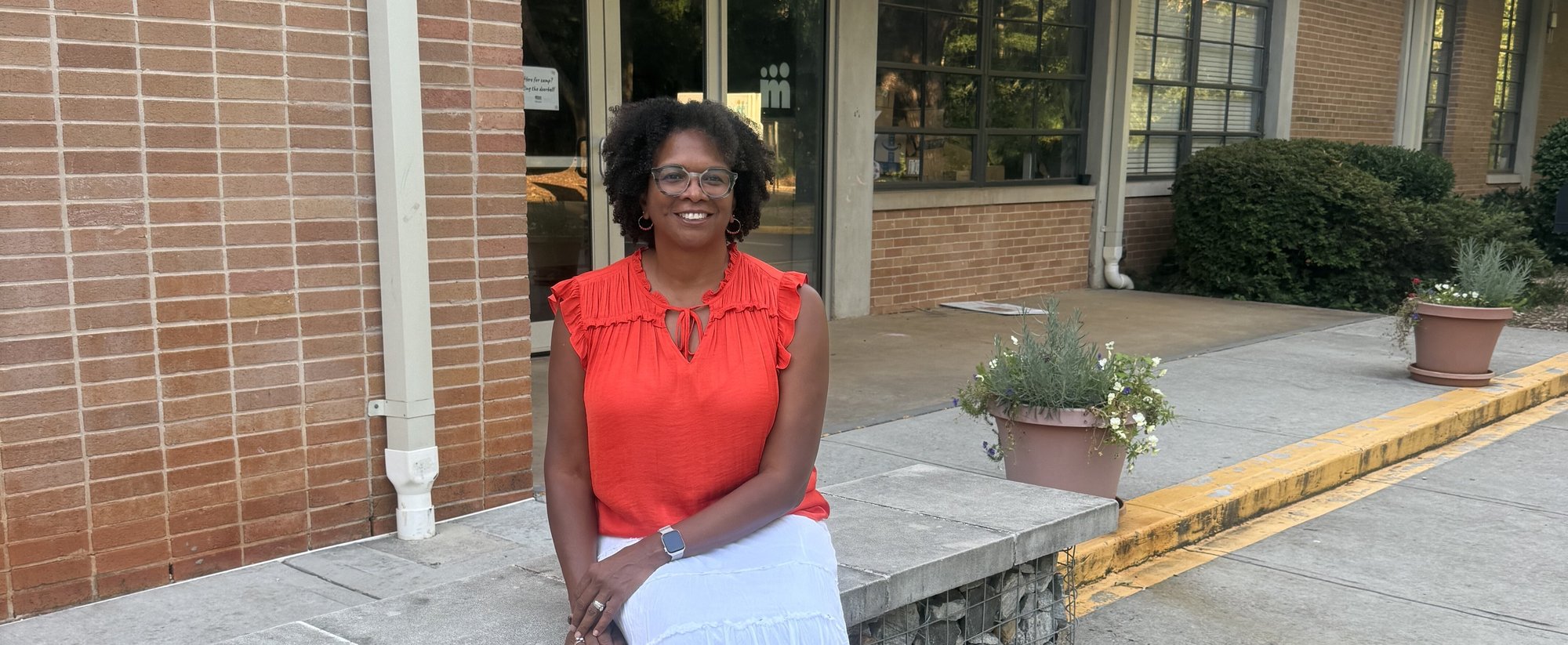
RobinSchoolPic1 cropped-1

For years, higher education has focused heavily on preparing students for careers. Increasingly, colleges and universities are also recognizing another important responsibility: preparing students to understand the communities they will ultimately serve.

Some of the most meaningful learning experiences now happen outside traditional classrooms through partnerships with neighborhoods, nonprofits, schools, healthcare providers, and local organizations, exposing students to the real-world challenges and opportunities that shape people's lives.

These experiences are often described as service learning, community engagement, or experiential education. But at their best, they accomplish something much larger. They help students connect academic knowledge to human experience.

That connection matters.

Students who engage directly with communities frequently develop a deeper understanding of the social, economic, cultural, and structural factors that influence outcomes in education, healthcare, business, and public life. They build empathy alongside technical skills. They learn to listen. They become better collaborators and more thoughtful leaders.

I have seen this firsthand through my experience serving on the board of a public charter school that follows a museum-based model of instruction centered on experiential learning. Students are encouraged to engage directly with the world around them, applying classroom concepts through hands-on projects, community partnerships, and real-world problem solving. The result is not simply stronger academic performance, but students who are more curious, engaged, and connected to the communities in which they lived and learned.

Research from the National Association of Colleges and Employers has consistently shown that students who participate in experiential learning report stronger career readiness and improved employment outcomes—findings that align with what employers increasingly say they want: communication, adaptability, collaboration, and real-world problem solving.

In fields like medicine and healthcare, community-based learning can be especially powerful. Students who understand the lived experiences of the populations they serve are better equipped to communicate effectively and recognize the broader social conditions that affect health and well-being. Those who train in underserved settings are also more likely to continue working in those communities after graduation, particularly in fields facing workforce shortages.

Some universities have demonstrated the value of integrating students directly into local communities through co-op programs, internships, civic partnerships, and immersive field experiences. Institutions like Northeastern University and University of Cincinnati have long shown how hands-on learning can strengthen both education and regional connections, and often influences where students choose to work and build their futures after graduation.

At a time when many institutions are rethinking the value and purpose of higher education, community-connected learning offers an important reminder: education is not only about individual advancement. It is also about strengthening the relationship between institutions and the communities around them — and that investment in civic life stays with students long after graduation.

Ready to realize breakthrough results?

The different types of growth that were enabled

With a more targeted approach, the client transformed its U.S. financial inclusion strategy—gaining a competitive edge and creating lasting impact.

lorem ipsum dolor sit amet, consectetur adipiscing elit, sed do eiusmod tempor incididunt ut labore et dolore magna aliqua. Ut enim ad minim veniam, quis nostrud exercitation ullamco laboris nisi ut aliquip ex ea commodo consequat. Duis aute irure dolor in reprehenderit in voluptate velit esse cillum dolore eu fugiat nulla pariatur.

Nemo enim ipsam voluptatem quia voluptas sit aspernatur aut odit aut fugit, sed quia consequuntur magni dolores eos qui ratione voluptatem sequi nesciunt. Neque porro quisquam est, qui dolorem ipsum quia dolor sit amet, consectetur, adipisci velit, sed quia non numquam eius modi tempora incidunt.

Built a scalable framework for future financial inclusion initiatives.

30%

Increased merchant adoption of electronic payments.

9%

Strengthened partnerships with community leaders and organizations.

20%

Expanded market share in key U.S. regions.

43%

With a more targeted approach, the client transformed its U.S. financial inclusion strategy—gaining a competitive edge and creating lasting impact.

lorem ipsum dolor sit amet, consectetur adipiscing elit, sed do eiusmod tempor incididunt ut labore et dolore magna aliqua. Ut enim ad minim veniam, quis nostrud exercitation ullamco laboris nisi ut aliquip ex ea commodo consequat. Duis aute irure dolor in reprehenderit in voluptate velit esse cillum dolore eu fugiat nulla pariatur.

Nemo enim ipsam voluptatem quia voluptas sit aspernatur aut odit aut fugit, sed quia consequuntur magni dolores eos qui ratione voluptatem sequi nesciunt. Neque porro quisquam est, qui dolorem ipsum quia dolor sit amet, consectetur, adipisci velit, sed quia non numquam eius modi tempora incidunt.