
Opioid settlement funds are flowing to New York. The real test is how cities use them

As New York begins distributing hundreds of millions of dollars from opioid litigation settlements, a new conversation is taking shape—not about the size of the settlements, but about how the money is being spent. This month, members of the state's Opioid Settlement Fund Advisory Board called for greater transparency around how some local governments are using settlement dollars, highlighting an important truth: funding alone won't solve the opioid crisis.
That conversation matters. Communities deserve to know where these dollars are going and whether they're making a difference. But transparency is only part of the equation. The bigger question is whether these investments will actually improve access to treatment, strengthen recovery services and reach the people who need help most.
For more than a decade, cities have carried the weight of the opioid crisis. Within New York City, specifically in the Bronx, Upper Manhattan, and Central Brooklyn, communities have seen the impact on emergency response systems, housing, public safety, local workforces and the healthcare providers serving Medicaid populations and other vulnerable communities. Settlement dollars create an important opportunity—but money alone won't create lasting change. That takes planning, coordination and trusted relationships within the community.
In our work supporting public health systems serving Medicaid populations, we've seen how closely healthcare access is tied to community trust. During the COVID-19 pandemic, one lesson became clear: resources alone weren't enough. The communities with the strongest outcomes were often those where government, healthcare providers and trusted local organizations worked together to meet people where they were.
The same is true today. Whether someone seeks treatment, accepts support or even learns about available services often depends on the relationships local organizations have built over years. My perspective comes from frontline overdose prevention work—training New Yorkers, healthcare professionals, faith leaders and community organizations to administer naloxone and helping distribute overdose reversal kits through federally qualified health centers and community partners across the Bronx.
If cities treat these dollars as a short-term funding source, the impact will be temporary. But if they use this moment to strengthen the systems that connect people to care, the benefits can last well beyond the life of the settlement.
Three priorities should guide that work.
First, invest where the need is greatest.
Addiction, overdose risk and barriers to treatment aren't evenly distributed. Funding decisions should be driven by data and focused on neighborhoods with the highest overdose rates, large Medicaid populations, limited behavioral health resources and longstanding gaps in access to care.
Second, strengthen community partnerships.
Community-based organizations, faith leaders, federally qualified health centers and local nonprofits are often the first place people turn when they're looking for help. They understand the communities they serve and have earned trust that government alone cannot create. This is the moment to invest in those partnerships and build long-term capacity—not short-term programs.
Third, measure outcomes, not just spending.
Transparency matters, but reporting where the money went is only the first step. Communities should also know whether investments are expanding treatment, increasing engagement, reducing overdoses and improving recovery. Clear goals, public reporting and measurable outcomes help ensure these dollars support strategies that are making a real difference.
The opioid crisis doesn't exist in isolation. It affects housing, employment, public safety and the health of entire communities. Addressing it requires coordination, trusted local partnerships and ongoing commitment to meeting people where they are.
The settlement dollars are an extraordinary opportunity. Whether they leave behind stronger communities will depend on how thoughtfully we invest them—and how well we engage the people they're meant to serve.
Author Bio:
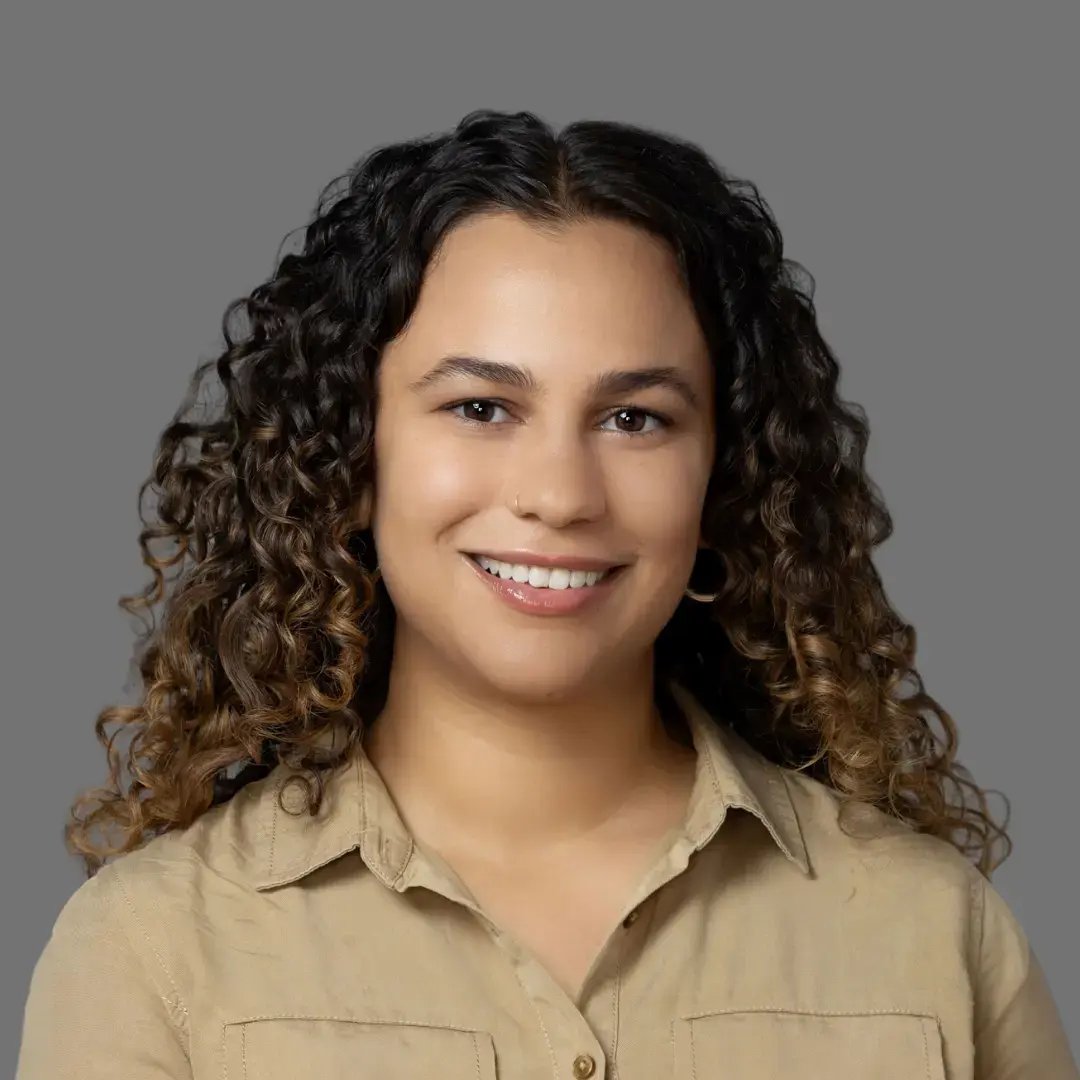
Yaritza Holguin is a public health strategist at Eve & Co focused on healthcare access, community engagement, and public-sector strategy, with prior frontline experience in opioid overdose prevention.
Ready to realize breakthrough results?
The different types of growth that were enabled
With a more targeted approach, the client transformed its U.S. financial inclusion strategy—gaining a competitive edge and creating lasting impact.
lorem ipsum dolor sit amet, consectetur adipiscing elit, sed do eiusmod tempor incididunt ut labore et dolore magna aliqua. Ut enim ad minim veniam, quis nostrud exercitation ullamco laboris nisi ut aliquip ex ea commodo consequat. Duis aute irure dolor in reprehenderit in voluptate velit esse cillum dolore eu fugiat nulla pariatur.
Nemo enim ipsam voluptatem quia voluptas sit aspernatur aut odit aut fugit, sed quia consequuntur magni dolores eos qui ratione voluptatem sequi nesciunt. Neque porro quisquam est, qui dolorem ipsum quia dolor sit amet, consectetur, adipisci velit, sed quia non numquam eius modi tempora incidunt.

30%
9%
20%
43%
With a more targeted approach, the client transformed its U.S. financial inclusion strategy—gaining a competitive edge and creating lasting impact.
lorem ipsum dolor sit amet, consectetur adipiscing elit, sed do eiusmod tempor incididunt ut labore et dolore magna aliqua. Ut enim ad minim veniam, quis nostrud exercitation ullamco laboris nisi ut aliquip ex ea commodo consequat. Duis aute irure dolor in reprehenderit in voluptate velit esse cillum dolore eu fugiat nulla pariatur.
Nemo enim ipsam voluptatem quia voluptas sit aspernatur aut odit aut fugit, sed quia consequuntur magni dolores eos qui ratione voluptatem sequi nesciunt. Neque porro quisquam est, qui dolorem ipsum quia dolor sit amet, consectetur, adipisci velit, sed quia non numquam eius modi tempora incidunt.